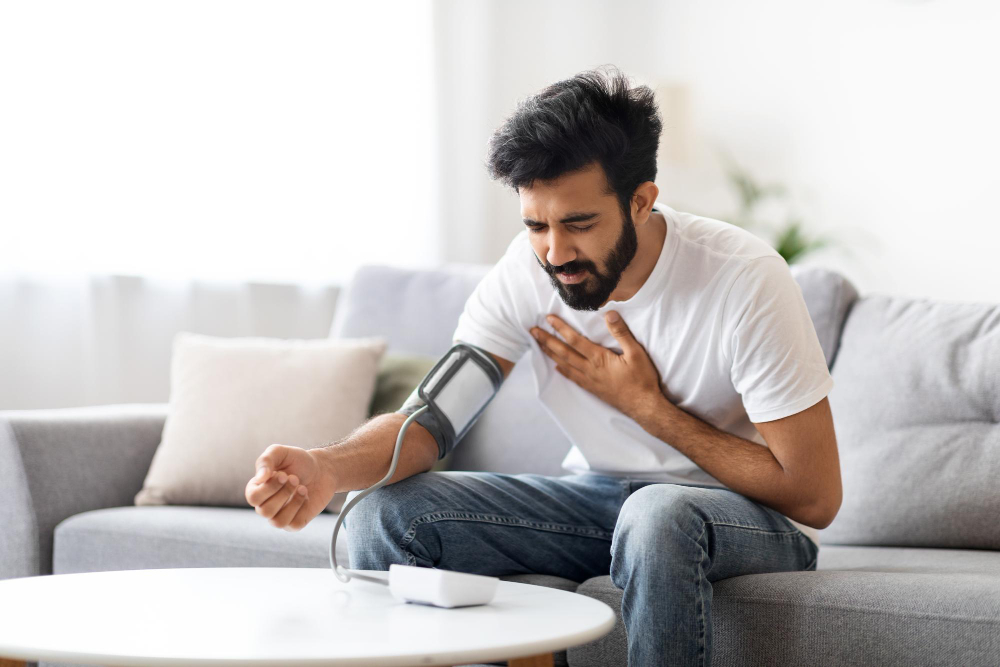
What is Pulmonary Hypertension?
Pulmonary hypertension is a type of high blood pressure that affects the arteries in your lungs and the right side of your heart. In this condition, the blood vessels in the lungs become narrow or blocked. As a result, your heart must work harder to pump blood through these vessels. Over time, this extra effort can weaken your heart. Although pulmonary hypertension is rare, it can be serious. According to the World Health Organization, early diagnosis and treatment are important for better outcomes.
Symptoms of Pulmonary Hypertension
At first, you may not notice any symptoms. However, as the disease gets worse, symptoms can appear. For example, you might feel tired or short of breath. These signs often get worse over time. Common pulmonary hypertension symptoms include:
Because these symptoms are common in other conditions, it is important to talk to your doctor if you notice them.
Causes and Risk Factors
There are many causes of pulmonary hypertension. Sometimes, the cause is unknown. However, certain health problems can increase your risk. For instance, heart or lung diseases often lead to this condition. Other risk factors include:
Additionally, living at high altitudes or having HIV can raise your risk. Knowing these risk factors can help you and your doctor watch for early signs.
How Pulmonary Hypertension is Diagnosed
Doctors use several tests to find out if you have pulmonary hypertension. First, they will ask about your symptoms and medical history. Next, they may do a physical exam. To confirm the diagnosis, your doctor may order tests such as:
Because early symptoms can be mild, it is important to get tested if you are at risk. Early diagnosis can lead to better treatment results.
Treatment Options
There is no cure for pulmonary hypertension, but treatment can help manage symptoms and slow the disease. Your doctor will choose a treatment plan based on the cause and how severe your condition is. Common pulmonary hypertension treatment options include:
Because each person is different, your doctor will tailor your treatment. Regular check-ups are important to track your progress.
Lifestyle Tips and Prevention
While you cannot always prevent pulmonary hypertension, healthy habits can help you live better with the condition. For example, you can:
In addition, follow your doctor’s advice and take medicines as prescribed. These steps can help you manage symptoms and improve your quality of life.
When to See a Doctor
If you notice symptoms like shortness of breath, chest pain, or swelling, see a doctor soon. Early treatment can make a big difference. Also, if you have risk factors or a family history of pulmonary hypertension, talk to your healthcare provider. In the United States, many hospitals and clinics have specialists who can help. Remember, regular check-ups are key to staying healthy.
For personalized advice on pulmonary hypertension, consult a pulmonologist or healthcare provider.