Introduction
Pneumothorax, also known as a collapsed lung, is a serious lung condition. It happens when air leaks into the space between the lung and chest wall. Because this air pushes on the lung, it can make breathing hard. Early recognition of pneumothorax is important for quick treatment. In this blog, you will learn about the causes, symptoms, diagnosis, treatment options, and prevention tips for pneumothorax.
What is Pneumothorax?
Pneumothorax means there is air in the space around the lungs. Normally, this space is empty. However, when air enters, it can cause the lung to collapse. As a result, the lung cannot expand fully. This makes it hard to breathe and can lead to chest pain. Sometimes, pneumothorax is mild, but it can also be life-threatening if not treated quickly.
Causes of Pneumothorax
There are several reasons why a pneumothorax may happen. Understanding these causes can help you lower your risk. Common causes include:
Because some causes are preventable, knowing them is helpful.
Symptoms of Pneumothorax
Recognizing the signs of pneumothorax is important. Early symptoms may include:
Sometimes, symptoms are mild. However, they can get worse quickly. If you notice these signs, seek medical help right away.
Diagnosis of Pneumothorax
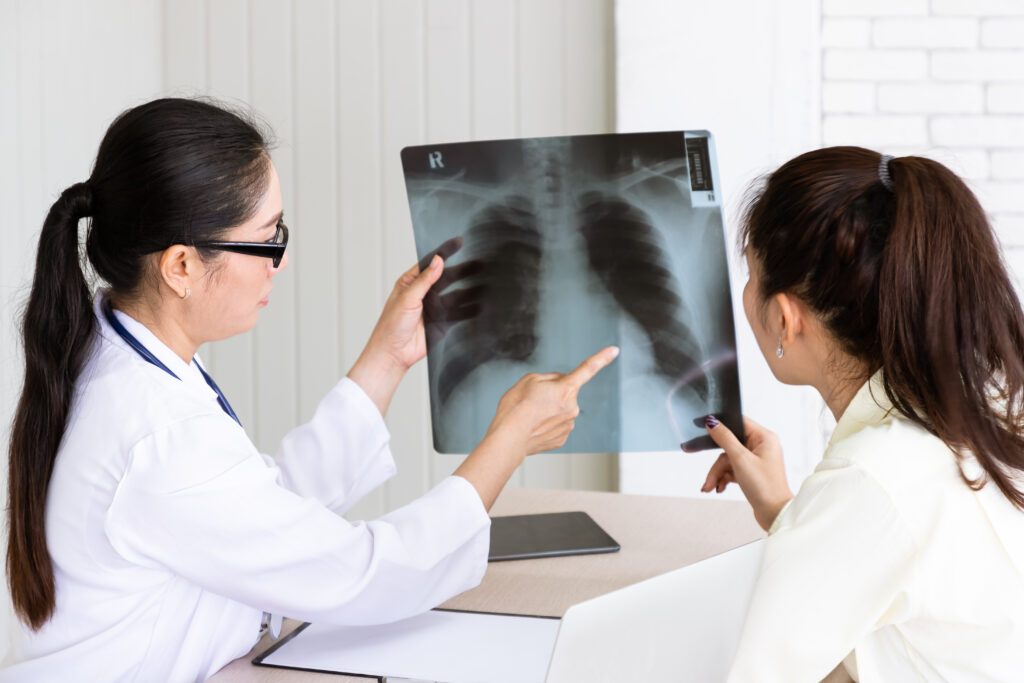
Doctors use several methods to diagnose pneumothorax. First, they will ask about your symptoms and health history. Next, they may listen to your chest with a stethoscope. To confirm the diagnosis, doctors often use imaging tests, such as:
Because quick diagnosis is key, these tests help guide treatment.
Treatment Options for Pneumothorax
Treatment depends on how much the lung has collapsed and your overall health. Common pneumothorax treatment options include:
Because each case is different, your doctor will choose the best treatment for you.
Prevention Tips
While not all cases can be prevented, you can lower your risk. Here are some tips:
Because prevention is better than cure, these steps can help protect your lungs.
When to Seek Medical Help
If you have sudden chest pain or trouble breathing, seek help right away. Even if symptoms seem mild, pneumothorax can get worse quickly. Early treatment can prevent serious problems. If you have a history of lung disease or have had pneumothorax before, be extra careful. Do not wait to see if symptoms go away on their own.
Consult a pulmonologist or healthcare provider for personalized advice about pneumothorax.