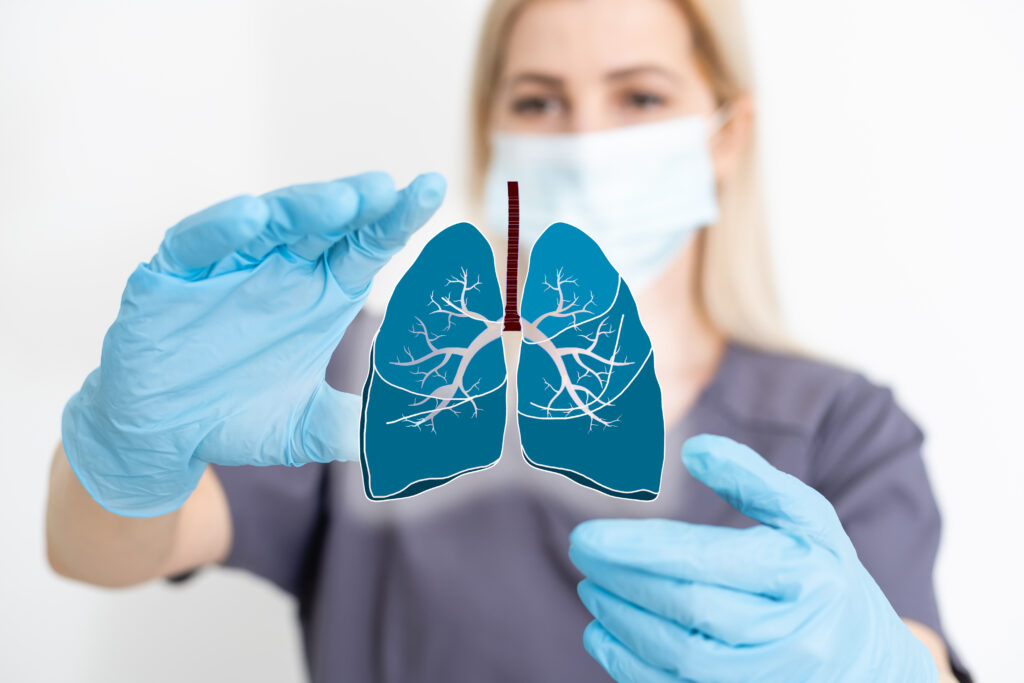
What is COPD?
COPD, or Chronic Obstructive Pulmonary Disease, is a long-term lung condition. It makes it hard to breathe. Many people with COPD feel short of breath, especially during daily activities. In fact, COPD is a leading cause of illness worldwide. According to the World Health Organization, millions of people live with COPD. Early detection and treatment can help manage the disease. Although COPD cannot be cured, symptoms can be controlled.
Common Symptoms of COPD
Recognizing COPD symptoms early is important. While symptoms may start mild, they often get worse over time. For example, you may notice:
Sometimes, people ignore these signs. However, early treatment can improve quality of life.
Main Causes and Risk Factors
There are several causes and risk factors for COPD. Most cases are linked to long-term exposure to harmful substances. For instance, the main causes include:
Additionally, people over 40 are at higher risk. If you have a family history of lung disease, your risk may also increase.
How COPD is Diagnosed
Doctors use several steps to diagnose COPD. First, they ask about your symptoms and medical history. Next, they may perform a physical exam. Often, a simple breathing test called spirometry is used. This test measures how much air you can breathe in and out. It also checks how fast you can blow air out. Other tests, such as chest X-rays or blood tests, may help rule out other conditions. If you wonder, “How is COPD diagnosed?” remember that early testing is key. Early diagnosis leads to better treatment outcomes.
Treatment Options for COPD
There are many COPD treatment options available. While COPD cannot be cured, treatment can help control symptoms. Common treatments include:
Sometimes, surgery may be needed for severe cases. However, most people manage COPD with medicines and lifestyle changes.
Lifestyle Tips for Living with COPD
Living with COPD can be challenging. Yet, simple lifestyle changes can make a big difference. For example:
With these steps, many people enjoy a better quality of life.
Prevention Strategies for COPD
Preventing COPD is possible in many cases. Most importantly, avoid smoking or quit if you smoke. In addition, try to limit exposure to dust, fumes, and air pollution. Use protective gear if you work around chemicals. Regular check-ups can help catch problems early. Finally, getting flu and pneumonia vaccines can lower your risk of lung infections.
In summary, understanding COPD helps you take control of your health. If you have symptoms or concerns, consult a pulmonologist or healthcare provider for personalized advice on COPD.