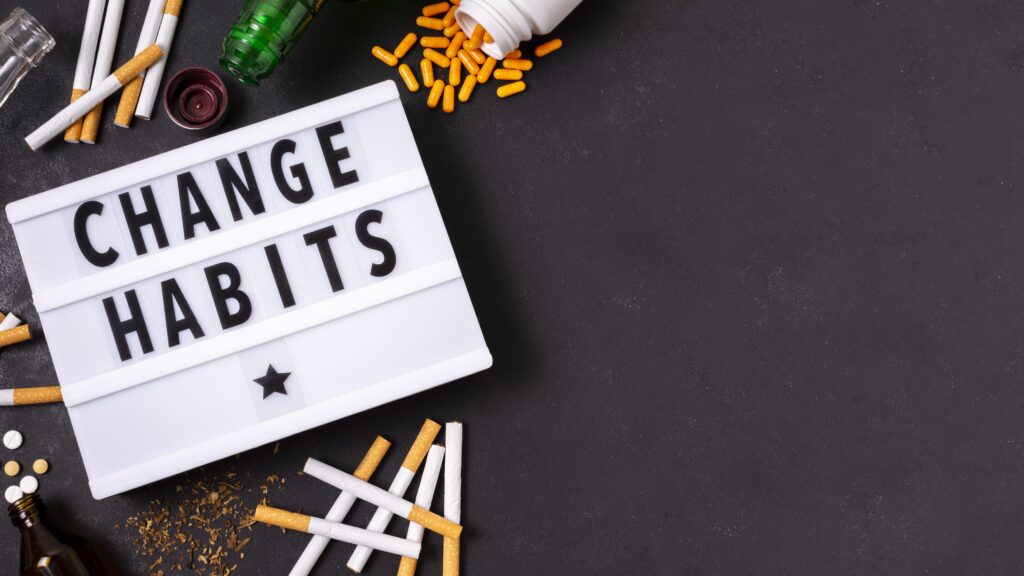
Making lifestyle modifications for deaddiction means changing daily habits to support addiction recovery. These changes, often called healthy habits for addiction recovery, help people stay on track. For example, simple steps at home can make a big difference. Pulmonology and deaddiction experts agree that a healthy lifestyle supports both the body and mind. In this blog, you will learn ways to support deaddiction at home and build a healthier life.
What Is Deaddiction?
Deaddiction is the process of stopping the use of harmful substances, such as alcohol, tobacco, or drugs. It also means learning to live without these substances. Many people need support to quit. Often, deaddiction involves both medical help and lifestyle changes. According to the World Health Organization (WHO), deaddiction is important for long-term health and well-being.
Why Lifestyle Modifications Matter in Deaddiction
Changing your lifestyle can make deaddiction easier. For instance, healthy habits help reduce cravings and stress. They also improve your mood and energy. In addition, good habits lower the risk of going back to old ways. Studies from the Centers for Disease Control and Prevention (CDC) show that lifestyle changes support long-term recovery. Therefore, focusing on daily routines is key for success.
Key Lifestyle Changes for Deaddiction Success
Many small changes can help you stay addiction-free. Here are some important steps:
These steps are simple but powerful. They help you feel better each day.
Tips for Building Healthy Habits
Starting new habits can be hard. However, small steps make it easier. Try these tips:
Over time, these habits become part of your daily life. As a result, staying addiction-free feels more natural.
Overcoming Common Challenges
Everyone faces challenges during deaddiction. For example, you may feel cravings or stress. But you can overcome these hurdles. Here are some ways:
Although setbacks can happen, do not give up. Each day is a new chance to start fresh.
When to Seek Professional Help
Sometimes, lifestyle changes are not enough. If you feel stuck or overwhelmed, it is important to seek help. For instance, a pulmonologist or addiction specialist can guide you. In many cities, deaddiction support is available at clinics and hospitals. Professional help can make recovery safer and more effective.
Prevention: Staying Addiction-Free
After recovery, it is important to prevent relapse. You can do this by:
With these steps, you can protect your progress and enjoy a healthier life.
Conclusion: Lifestyle modifications for deaddiction are key to a healthy, addiction-free life. If you need help, consult a pulmonologist or addiction specialist for personalized guidance on deaddiction.