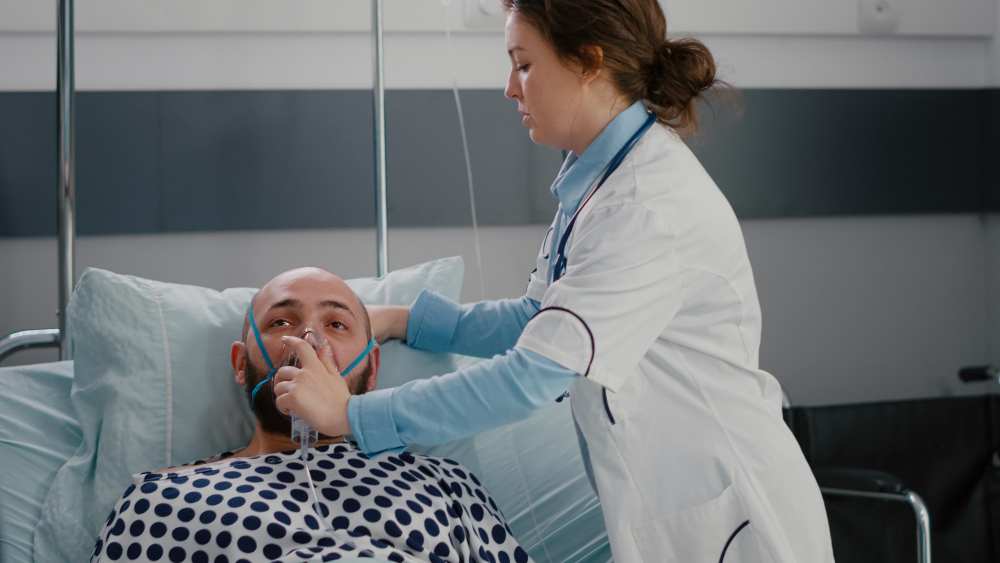
What is ARDS?
ARDS, or acute respiratory distress syndrome, is a serious lung condition. It happens when fluid builds up in the air sacs of the lungs. Because of this, the lungs cannot fill with enough air. As a result, less oxygen reaches the bloodstream. ARDS can develop quickly and often needs urgent medical care. According to the CDC, ARDS affects both children and adults. Early treatment can improve outcomes.
Common Symptoms of ARDS
ARDS symptoms often appear within hours or days after an injury or illness. For example, someone may notice trouble breathing soon after a lung infection. However, symptoms can also develop more slowly. Watch for these signs:
Because these symptoms can be severe, it is important to seek help right away.
Causes and Risk Factors of ARDS
ARDS is not a disease itself. Instead, it is a reaction to another problem in the body. Many things can cause ARDS. Some common causes include:
There are also risk factors that make ARDS more likely. For instance, people with chronic lung disease or a weak immune system have a higher risk. Older adults are also more at risk. In addition, those who smoke or drink heavily may face greater danger.
How ARDS is Diagnosed
Doctors use several steps to diagnose ARDS. First, they ask about symptoms and medical history. Next, they perform a physical exam. Then, they may order tests to check for ARDS, such as:
Because ARDS shares symptoms with other illnesses, doctors must rule out other causes. Quick diagnosis helps start treatment sooner.
Treatment Options for ARDS
ARDS treatment usually takes place in a hospital. Often, patients need care in an intensive care unit (ICU). The main goals are to improve oxygen levels and treat the cause. Common ARDS treatments include:
In some cases, doctors may use special beds or positions to help the lungs work better. Recovery may take time, but early treatment can help.
Living with and Recovering from ARDS
After ARDS, recovery can be slow. Some people may need weeks or months to heal. During this time, patients may feel weak or tired. Physical therapy can help rebuild strength. In addition, breathing exercises may improve lung function. Family support is also important. Some people may have lasting effects, such as shortness of breath or memory problems. However, many people recover fully with time and care.
Prevention Tips for ARDS
While not all cases of ARDS can be prevented, some steps may lower the risk. For example, you can:
Because prevention is key, these steps can help protect your lungs and overall health.
When to Seek Medical Help
If you notice signs of ARDS, such as severe shortness of breath or blue lips, seek medical help right away. Early treatment can save lives. In addition, if you have a high risk for ARDS and develop a lung infection, contact your doctor quickly. Never ignore sudden changes in breathing or alertness.
If you or a loved one shows signs of ARDS, consult a healthcare specialist for personalized advice.