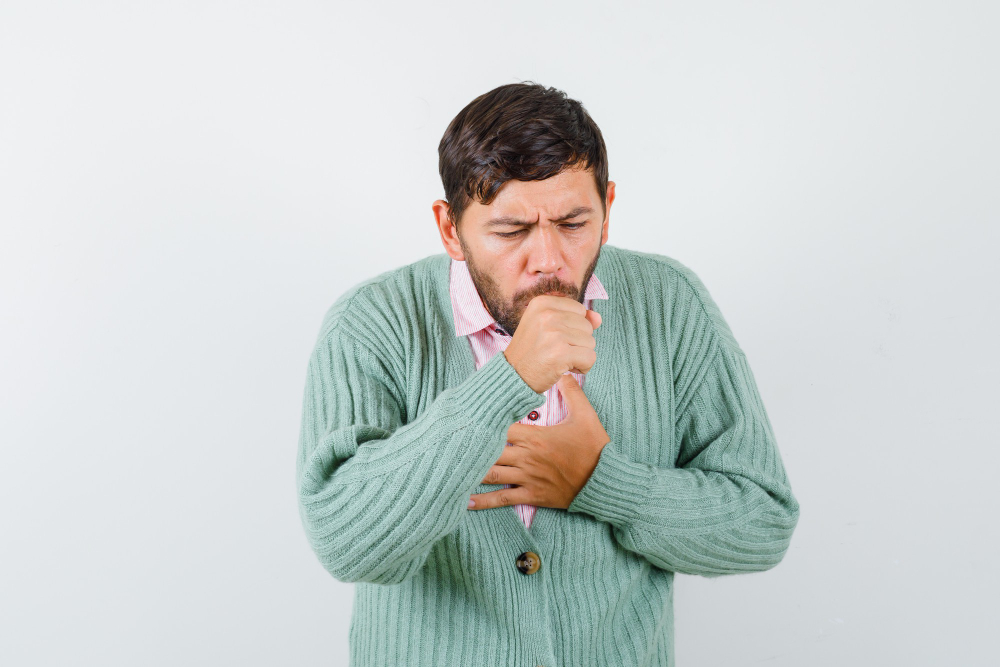
Chronic Obstructive Pulmonary Disease (COPD) is a long-term lung condition that makes it hard to breathe. Many people do not know they have COPD until symptoms get worse. Because COPD can affect daily life, it is important to understand its symptoms, causes, diagnosis, treatment, and prevention. This guide will help you learn more about COPD and how to manage it.
What is COPD?
COPD stands for Chronic Obstructive Pulmonary Disease. It is a group of lung diseases that block airflow and make breathing difficult. The two main types are chronic bronchitis and emphysema. In chronic bronchitis, the airways are swollen and produce extra mucus. In emphysema, the air sacs in the lungs are damaged. Both types make it hard for air to move in and out of the lungs. Over time, COPD can get worse if not treated.
Common Symptoms of COPD
Early on, COPD symptoms may be mild. However, as the disease progresses, symptoms can become more noticeable. Some people may think these signs are just part of getting older. But recognizing them early can help you get the right care.
Sometimes, symptoms get worse suddenly. This is called a flare-up or exacerbation. If this happens, seek medical help right away.
Main Causes and Risk Factors
Most cases of COPD are caused by long-term exposure to harmful substances. Smoking is the leading cause. However, other factors can also increase your risk.
Even if you have never smoked, you can still develop COPD if you are exposed to these risks.
How COPD is Diagnosed
Doctors use several tests to diagnose COPD. Early diagnosis can help slow the disease and improve quality of life. If you have symptoms, it is important to see a doctor.
With these tests, your doctor can confirm if you have COPD and how severe it is.
Treatment Options for COPD
While there is no cure for COPD, treatment can help manage symptoms and improve lung health. Your doctor will create a plan that fits your needs. Treatment may include:
Because each person is different, your doctor will adjust your treatment as needed.
Lifestyle Tips for Living with COPD
Living with COPD can be challenging. However, making small changes can help you feel better and stay active. Here are some helpful tips:
With these steps, you can manage your symptoms and enjoy a better quality of life.
Prevention Strategies for COPD
Although not all cases of COPD can be prevented, you can lower your risk by taking certain steps. Prevention is always better than cure. Consider these strategies:
By following these tips, you can protect your lungs and reduce your chances of developing COPD.
When to See a Doctor
It is important to see a doctor if you notice any symptoms of COPD. Early treatment can make a big difference. You should seek medical help if you:
Remember, timely care can help you manage COPD and prevent complications.
Consult a pulmonologist for personalized guidance.